Deciding between artificial turf and natural grass comes down to more than aesthetics. In Edmonton, the climate introduces variables that make this decision different from warmer regions, and the right answer depends on how the yard is used, how much maintenance a homeowner is willing to do, and what the surface needs to withstand over time. Landsharx installs both sod and artificial turf in Edmonton and provides the ongoing lawn care that natural grass requires year over year.
Why Edmonton’s Climate Changes the Turf vs Grass Decision
Edmonton’s growing season runs roughly from mid-May to early September, giving natural grass approximately 16 usable weeks per year. Winters are long, cold, and involve significant freeze-thaw cycling, which stresses both natural turf and the ground beneath artificial turf installations.
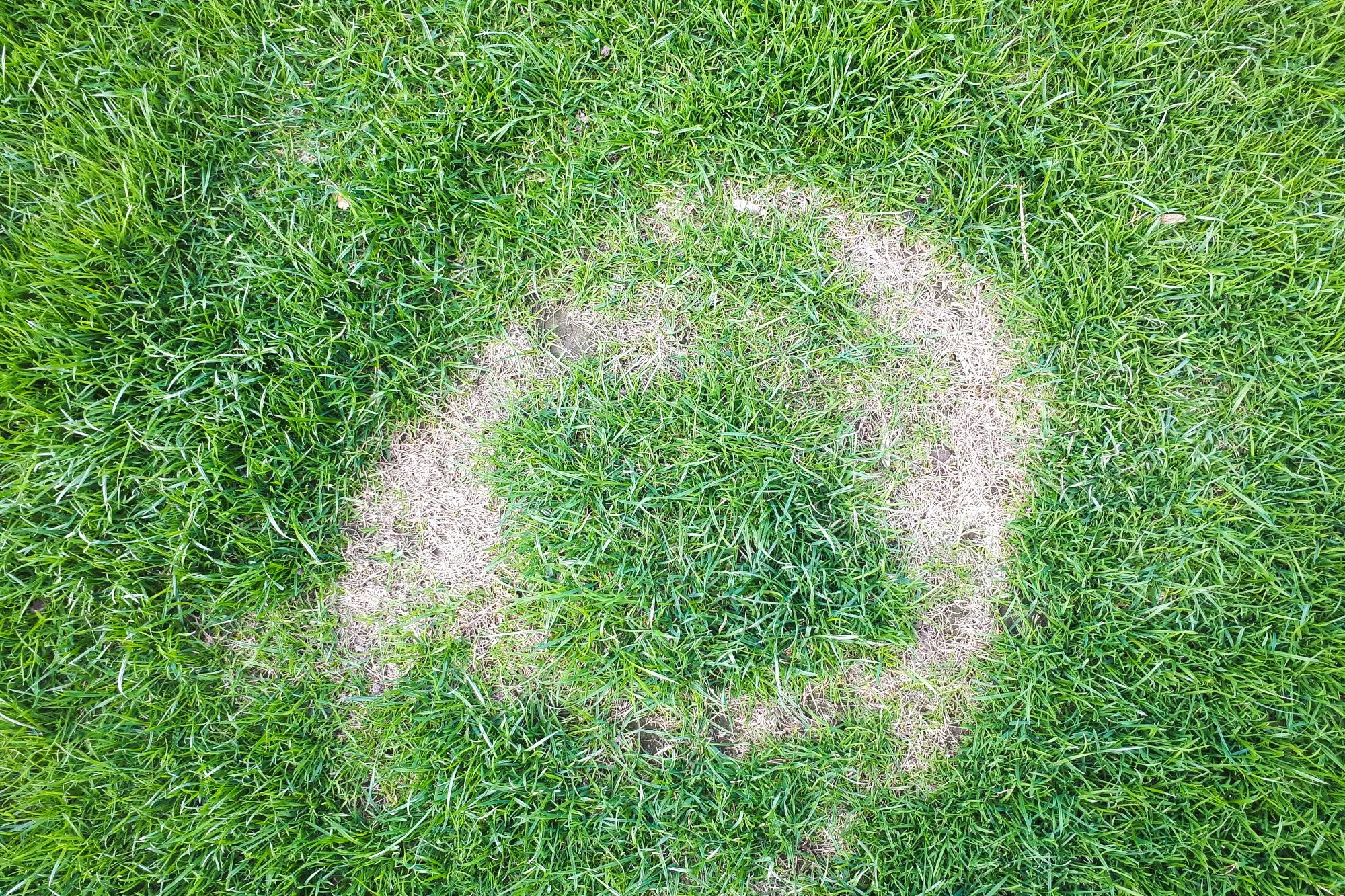
Natural grass goes dormant in winter and resumes growth in spring, but the transition is not clean. Snow mold, compaction from snowfall, frost heaving, and spring thaw conditions leave Edmonton lawns in poor shape each April and May. Recovery requires active intervention, and the lawn is typically not at full density until June.
Artificial turf is not affected by dormancy, but Edmonton’s climate does affect it in other ways. Freeze-thaw cycling causes the base material to shift over time if not properly compacted and drained at installation. Extreme cold makes synthetic fibres temporarily stiffer, though modern turf products recover quickly once temperatures rise. UV exposure over the long Edmonton summer is a factor in fibre degradation over the product’s lifespan, though most quality turf carries UV stabilization.
Snow removal is a shared challenge. Snow can be left on artificial turf or removed with a plastic rake or blower. Metal shovels and blades will damage the fibre and infill. Natural grass is simply left alone under snow cover.
Maintenance Requirements Over Time
The maintenance gap between natural grass and artificial turf is the most significant practical difference for most Edmonton homeowners. Natural grass demands consistent seasonal input. Artificial turf reduces that load but does not eliminate it entirely.
Natural Grass Maintenance in Edmonton Lawns
A healthy Edmonton lawn requires active management across the growing season and at the bookends of winter. Core tasks include mowing every one to two weeks during peak growth, watering during dry periods (Edmonton averages low summer rainfall), fertilizing two to three times per season, and controlling weeds that establish in thin or stressed areas.
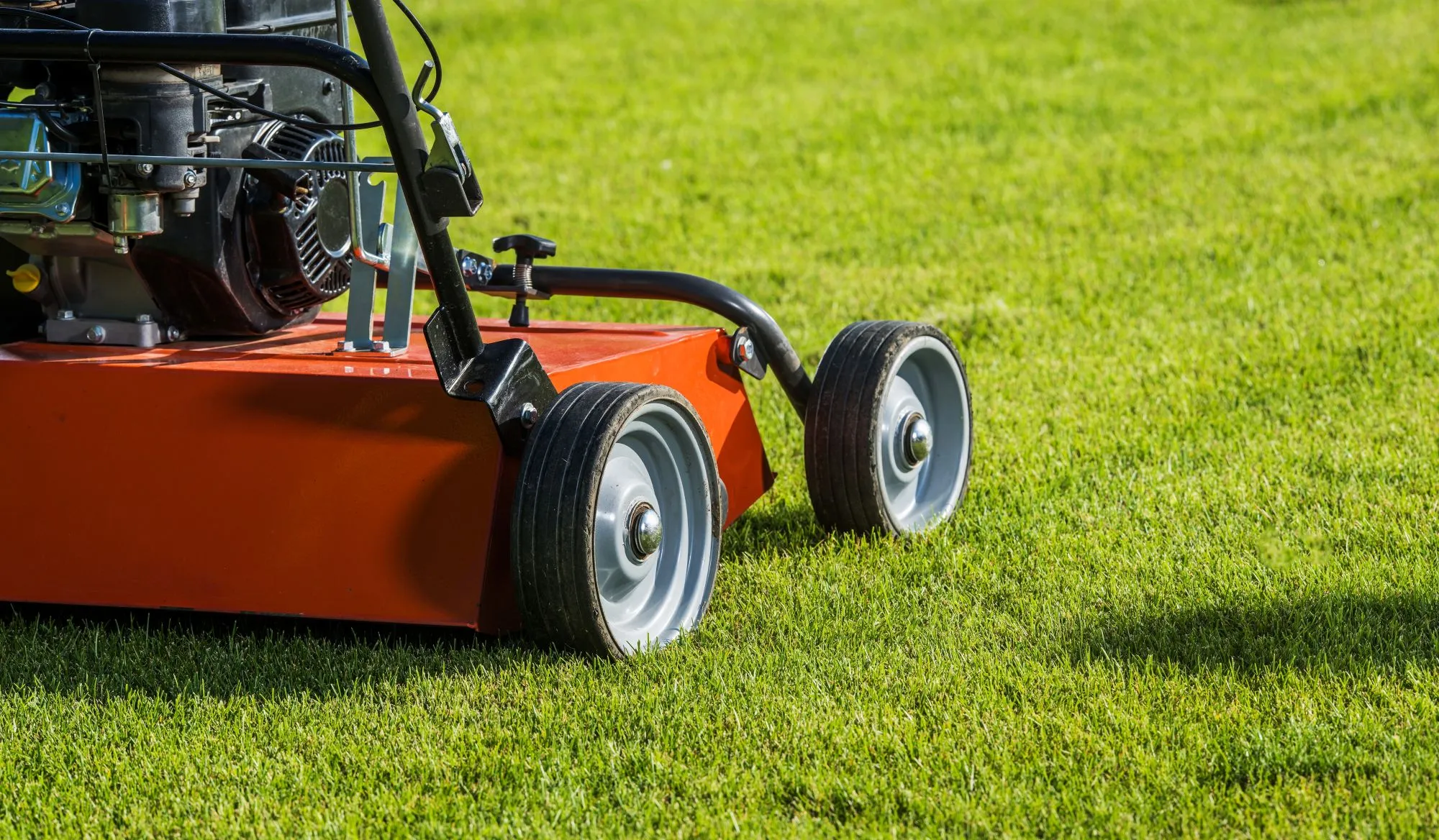
Beyond routine maintenance, Edmonton lawns benefit from annual aeration to relieve compaction, power raking in spring to remove thatch and winter debris, and fertilization timed to the growing season. Weed control is an ongoing requirement in most yards. Lawns that skip these steps for one or two seasons typically show visible decline in density and colour.
The cumulative time investment for a mid-sized Edmonton yard is significant, running into several hours per week during the active season.
Artificial Turf Upkeep and Cleaning
Artificial turf is not maintenance-free. It requires periodic brushing to keep fibres upright and redistribute infill, particularly in high-traffic areas where fibres flatten. Debris such as leaves, seeds, and dirt accumulates on the surface and must be removed, as decomposing organic material promotes weed growth through the turf if left in place.
Pet waste requires immediate solid removal and regular rinsing to manage odour. Infill products with antimicrobial properties help, but high-pet-use areas still require more frequent cleaning than low-use zones. In Edmonton’s summer heat, a turf surface with accumulated pet waste and limited airflow can produce odour more quickly than in cooler climates.
Artificial turf does not require mowing, watering, fertilizing, aerating, or weed treatments. For homeowners whose primary goal is reducing active weekly maintenance, this difference is the central argument for turf.
Performance in High-Use Yards
Yards with pets, children, or regular outdoor activity put both surfaces under stress that routine maintenance cannot fully offset. How each surface handles concentrated use over Edmonton’s short season is often the deciding factor for active households.
Durability Under Pets and Heavy Foot Traffic
Natural grass deteriorates under concentrated heavy use. Dogs running the same path repeatedly, children’s play areas, and outdoor entertaining spaces with regular foot traffic create worn patches that require overseeding and recovery time. In Edmonton’s short growing season, a worn patch that develops in July may not recover fully before the first frost.
Artificial turf handles concentrated traffic without visible wear in the short term. Quality products are rated for heavy residential use and do not develop bare patches. Over the product’s full lifespan, which typically runs 15 to 20 years for residential installations, high-traffic zones may show fibre wear before lower-use areas, but the surface remains functional throughout.
For dog owners specifically, turf eliminates digging damage and dead spots caused by urine nitrogen burn, both of which are common and recurring problems on natural grass.
Drainage and Mud Issues During Spring Thaw
Edmonton’s spring thaw is one of the most demanding conditions any yard surface faces. Frozen ground thaws from the top down, leaving a saturated surface layer over still-frozen soil. Water has nowhere to drain, and the yard remains wet and soft for two to four weeks depending on the season. Natural grass during this period cannot absorb traffic without compaction damage, and mud tracking into the home is a consistent problem.
A properly installed artificial turf system with an engineered aggregate base and permeable backing drains at a significantly higher rate than natural soil. Standing water on a turf surface after spring melt dissipates quickly, and the surface remains accessible and clean underfoot. Mud transfer into the home is effectively eliminated.
Natural grass cannot replicate this performance during spring thaw regardless of how well maintained it is. The soil itself is the limiting factor.
Cost Comparison Over the Life of the Yard
Artificial turf has a high upfront cost and low ongoing cost. Natural grass has a low upfront cost and consistent ongoing cost that accumulates over time.
| Factor | Natural Grass | Artificial Turf |
|---|---|---|
| Installation cost | Low (sod) to moderate (seed + establishment) | High |
| Annual maintenance cost | Moderate to high | Low |
| Water usage | Ongoing seasonal cost | None after installation |
| Equipment (mower, tools) | Required | Not required |
| Professional lawn care | Optional but common | Minimal |
| Lifespan before replacement | Indefinite with maintenance | 15–20 years |
| Repair cost | Low (overseeding, patching) | Moderate (section replacement) |
The break-even point between natural grass and artificial turf, accounting for installation, maintenance, and water costs, typically falls between 7 and 12 years for an average Edmonton residential yard. Yards with high water consumption, professional lawn care contracts, or persistent problem areas reach break-even faster.
Visual Appearance and Seasonal Changes
Natural grass changes with the season and responds visibly to care. A well-maintained Edmonton lawn is dense, green, and uniform during peak summer. In dry periods it loses colour. After the first frost it browns and goes dormant. In spring it recovers unevenly. The appearance at any given time is a direct reflection of recent conditions and maintenance inputs.
Artificial turf maintains a consistent appearance year-round. Colour, density, and texture do not change with weather or season. For homeowners who want a presentable yard in early May before natural grass has recovered from winter, or in late September after the first frost, turf delivers where grass cannot.
The visual difference between quality artificial turf and natural grass has narrowed considerably with modern products. Lower-grade turf reads as artificial, particularly in the way it reflects light and its uniformity of blade length. Quality residential turf products use varied blade heights, multiple green tones, and thatch layers that more closely approximate the look of natural grass. The distinction is most apparent at close range.
When Artificial Turf Makes the Most Sense for Edmonton Homes
Artificial turf is the stronger choice in specific scenarios rather than across all yards universally.
It performs best where natural grass consistently struggles: shaded areas with poor light penetration, high-traffic zones that grass cannot recover in a short growing season, yards with dogs that cause urine burn and digging damage, and properties where the homeowner’s schedule does not support regular lawn maintenance.
It is also the practical choice for small enclosed areas such as side yards, dog runs, and narrow strips between structures where mowing is difficult and the surface gets heavy use relative to its size.
Natural grass remains the better choice where the yard is large, where appearance variation across seasons is acceptable, where the homeowner values the environmental functions of live turf, and where budget favours a lower initial investment. Natural grass also performs better in yards that double as gardens or mixed landscaping, where the integration of planting beds and live lawn is part of the design intent.
Choosing the Right Yard Surface for Your Property with Landsharx
The decision between artificial turf and natural grass is rarely straightforward when Edmonton’s climate and yard-specific conditions are factored in. Landsharx works with Edmonton homeowners on both artificial turf installation and sod installation, and provides the lawn care, aeration, fertilization, and weed control that natural grass requires to perform across Edmonton’s growing season. For properties where the right answer is a combination of both, Landsharx can assess the yard and recommend where each surface makes the most sense.