Clogged gutters are one of the most commonly overlooked sources of preventable home damage. The warning signs are visible well before gutters fail, but they are easy to dismiss until water is already affecting the roof, siding, or foundation. Landsharx provides gutter cleaning in Edmonton and helps homeowners catch blockage problems before they become structural ones.
Why Ignoring Gutter Blockages Quickly Leads to Home Damage
Gutters exist to move water away from the home’s structure. When debris accumulates and blocks that flow, water backs up and finds other paths, none of which are controlled or intended. The damage that follows is not gradual in the way typical wear is. A single heavy rainfall against a blocked gutter can push water under shingles, saturate fascia boards, overflow against siding, or pool against the foundation.
Edmonton’s rainfall events are often concentrated and heavy, which means a partially blocked gutter that handles light rain without issue can overflow completely under peak conditions. The window between “functioning adequately” and “causing damage” is narrower than most homeowners expect.
Visible Signs Gutters Are Already Clogged
These signs can be identified from ground level without climbing a ladder:
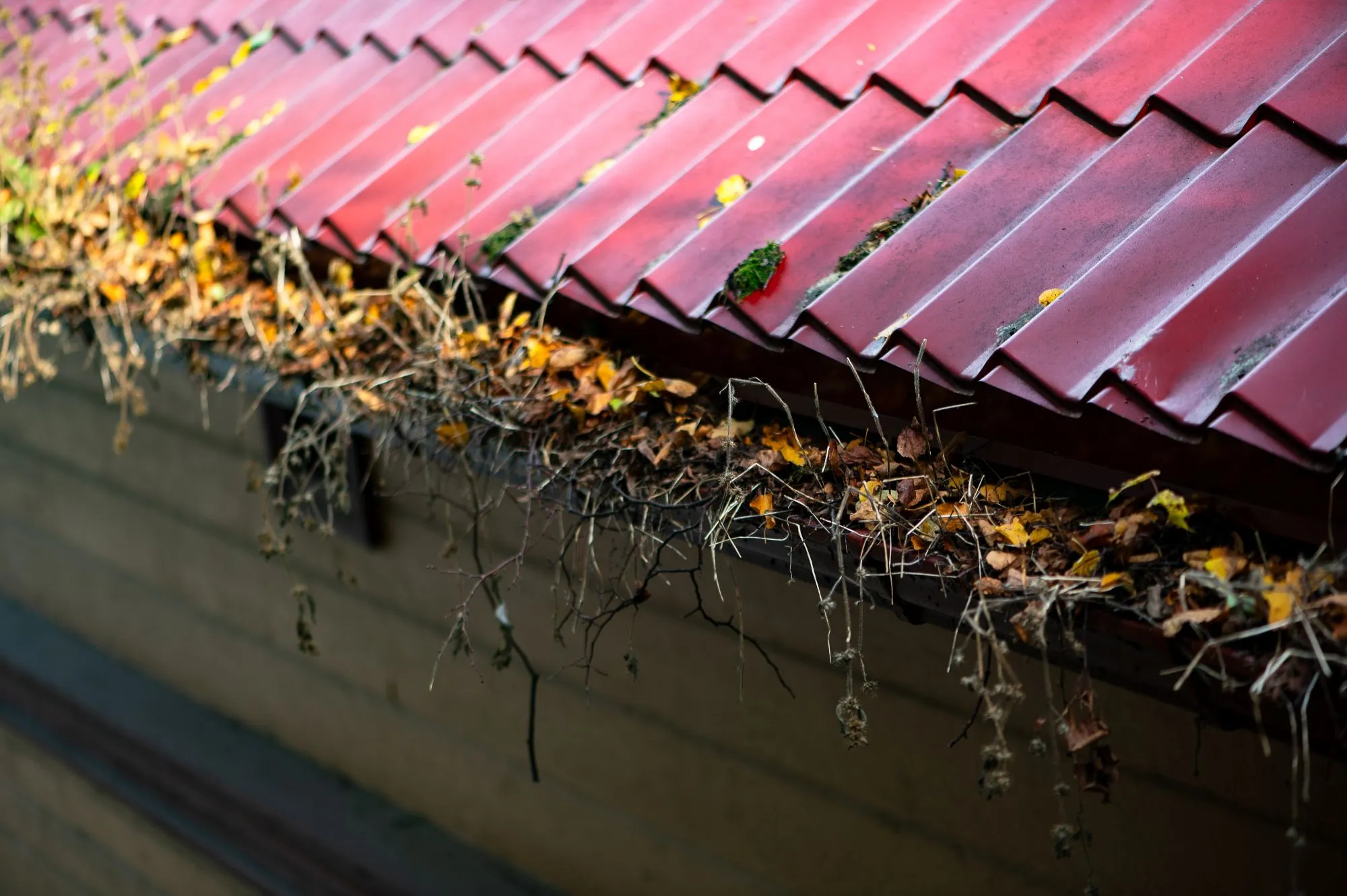
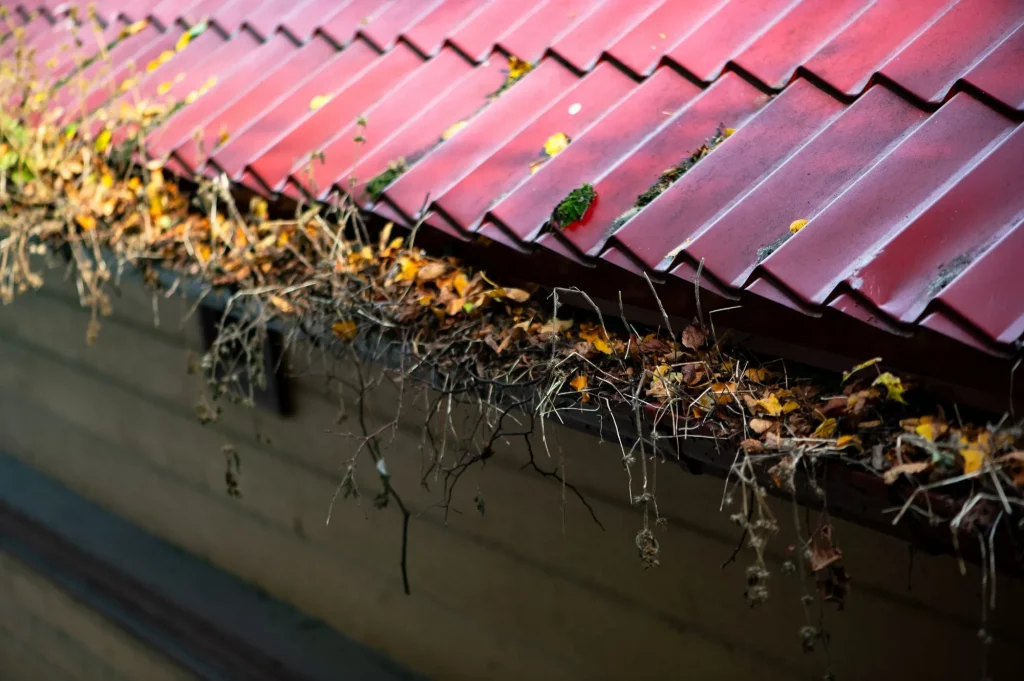
- Debris visible above the gutter line. Leaves, twigs, or compacted material sitting at or above the top edge of the gutter is a direct indicator of blockage. If debris is visible from the ground, the volume inside the channel is significant.
- Staining or streaking on siding below the gutter. Dark vertical streaks on siding directly below the gutter indicate water has been overflowing consistently. This staining is caused by debris-laden water running down the exterior wall rather than through the downspout.
- Rust or paint peeling on gutters. Standing water sitting in a blocked gutter accelerates oxidation and causes paint to bubble or peel from the gutter surface. This points to water that is not draining and has been sitting for an extended period.
- Gutter guards or screens bulging outward. Where gutter guards are installed, debris accumulating underneath or behind them can push the guard out of position, which is visible from ground level and indicates the guard is no longer functioning.
- No water exiting the downspout during or after rain. If rain is falling and nothing is coming out of the downspout, the gutter or downspout is blocked. This is one of the most reliable ground-level checks available.
Water Overflow and Drainage Warning Signs
Overflow and pooling are the most consequential signs of a blocked gutter system. Both indicate water is already being misdirected in ways that affect the home’s structure, and both are observable without accessing the roof.
Water Running Over Gutter Edges
Overflow during rainfall is the most direct sign that water cannot move through the gutter system. Overflow does not always mean the gutter itself is full of debris. A blockage anywhere in the downspout will back water up into the channel even if the gutter appears relatively clear from above. Overflow concentrated at one section of the gutter typically points to a localized blockage. Overflow along the full gutter run suggests either widespread debris accumulation or a downspout blockage that is affecting the entire channel.
Water running over the front edge of a gutter and falling against the foundation is the scenario most likely to cause long-term structural damage, as it concentrates a roof’s entire water load against the home’s base.
Pooling Water Around the Foundation
Standing water consistently appearing near the foundation after rain, when downspouts are properly extended away from the home, points to overflow that is not being directed away from the structure. In Edmonton, where freeze-thaw cycles are frequent, water pooling against the foundation does not only risk moisture infiltration. It creates conditions where repeated freezing expands against foundation walls, which accelerates cracking and joint deterioration over time.
Pooling in the same location after every rainfall event is a pattern that warrants immediate investigation of the gutter system, even if the gutters appear clean from the ground.
Structural Stress Indicators in Gutters
Not all gutter problems are visible as water overflow. Some of the most serious signs show up in the gutter structure itself, indicating that debris weight or standing water has already begun to compromise how the system is attached to the home.
Sagging or Pulling Away from the Roofline
A gutter holding a significant volume of wet, compacted debris weighs considerably more than its design load. The weight of saturated leaves, soil, and standing water stresses the hangers that attach the gutter to the fascia. Visible sagging along the gutter run, or a gap opening between the gutter and the roofline, indicates the hanger points are under load they were not designed to carry.
Left unaddressed, this leads to hangers pulling out of the fascia entirely, which takes the gutter off the roofline and can cause fascia board damage that requires repair beyond gutter cleaning alone.
Plants or Moss Growing in Gutters
Visible plant growth, whether grass, weeds, moss, or seedlings, in a gutter confirms that debris has been accumulating long enough for organic material to establish. The presence of soil-like buildup deep enough to support growth also means the gutter channel is substantially reduced in capacity. Moss in particular retains moisture and accelerates deterioration of the gutter material beneath it. A gutter with established plant growth requires more than flushing. The organic buildup typically needs to be physically removed before the channel can drain correctly.
Seasonal Conditions in Edmonton That Accelerate Clogging
Edmonton’s climate creates two peak clogging periods each year. The first is autumn, when deciduous tree leaf drop concentrates large volumes of debris in gutters within a short window. A single mature tree overhanging a roofline can fill gutters completely within days of peak leaf fall. Cleaning after the majority of leaves have dropped, typically late October, addresses the bulk of the autumn accumulation.
The second peak is spring, driven by a different mechanism. Thawing ice and snow carry fine debris, seeds, and compacted material from the roof surface into gutters as melt accelerates. Spring gutter checks often reveal material that entered the gutter over winter and compacted under snow load rather than during a single debris event.
Edmonton’s cottonwood trees add a third, less predictable period in late spring and early summer when seed release produces large volumes of fibrous material that compacts densely in gutters and downspouts and does not flush out easily with water alone.
What Happens If Gutter Cleaning Is Delayed Too Long
The consequences of prolonged gutter blockage extend well beyond the gutter itself. Water backing up behind a blocked gutter reaches the fascia board, which is typically wood and absorbs moisture readily. Saturated fascia deteriorates, loses structural integrity, and eventually cannot hold gutter hangers. Replacing fascia is more disruptive and costly than gutter cleaning by a significant margin.
Water that migrates under shingles at the roofline causes deck board rot and, in cases where it penetrates far enough, ceiling and insulation damage inside the home. Ice damming in winter, where meltwater refreezes at the eave because the gutter is blocked with ice and debris, is a direct extension of this failure mode and is particularly common in Edmonton’s winters.
Foundation damage from chronic overflow is the longest-cycle consequence, developing over multiple seasons rather than a single event, but it is also the most expensive to remediate once established.
When Professional Gutter Cleaning Is the Safer Option
Homeowners can clean gutters themselves, but several conditions make professional cleaning the more practical choice. Rooflines above a single storey require ladder positioning that carries meaningful fall risk, particularly on uneven ground or near corners where ladder stability is reduced. Gutters with significant compacted debris, established plant growth, or ice buildup require more than a garden hose to clear and benefit from equipment that can dislodge blockages without damaging the gutter or downspout.
Downspout blockages are frequently deeper than they appear and cannot be cleared by flushing from above alone. A blockage at the bottom elbow of a downspout, which is the most common location, requires disassembly or pressurized clearing that is difficult to perform safely from a ladder.
Where gutters show signs of sagging, hanger failure, or separation from the roofline, cleaning is only part of what is needed. A professional assessment of the gutter condition alongside cleaning prevents the situation from recurring after the debris is removed.
Preventing Repeat Clogs with Regular Maintenance from Landsharx
A single cleaning resolves an immediate blockage but does not address the conditions that caused it. Properties with significant tree cover, particularly those with mature elms, cottonwoods, or spruce overhanging the roofline, will experience repeat clogging without a maintenance schedule that accounts for Edmonton’s two primary accumulation periods. Landsharx provides gutter cleaning in Edmonton on a scheduled basis, allowing homeowners to address autumn and spring accumulation before blockages develop into the overflow and structural stress signs covered above.