Signs your yard needs a full landscape refresh usually appear when maintenance no longer improves the lawn, layout, drainage, or outdoor features in a lasting way. For Edmonton homeowners, this often means the issue is not one isolated repair, but a combination of worn turf, poor grading, aging hardscapes, or an outdoor layout that no longer works. LandSharx helps assess when a yard needs targeted repairs and when a larger landscape refresh is the more practical option.
When Regular Yard Maintenance Stops Solving the Problem
Regular yard maintenance works when the landscape is fundamentally healthy. Mowing, trimming, aeration, fertilizing, weed control, and seasonal cleanups can improve appearance, but they cannot fix deeper problems such as compacted soil, poor grading, failing sod, or damaged hardscaping.
Maintenance is intended to preserve an existing landscape that functions properly. A landscape refresh addresses underlying site, grading, structural, or layout problems that routine maintenance cannot correct.
A full landscape refresh becomes worth considering when the same issues return after appropriate seasonal maintenance performed over multiple growing seasons. If bare lawn areas keep spreading, water continues pooling, edges keep collapsing, or garden beds no longer hold their shape despite proper maintenance, the yard may need corrective landscaping rather than another maintenance visit.
Visual Signs Your Landscape Is Past Simple Repairs
Visual decline becomes more important when it affects more than surface appearance. A single thin lawn patch may be repairable. Several visible problems across the yard often point to underlying site conditions such as poor grading, soil limitations, drainage deficiencies, or aging landscape infrastructure rather than isolated cosmetic wear.
Patchy or Uneven Lawn Areas That Never Recover
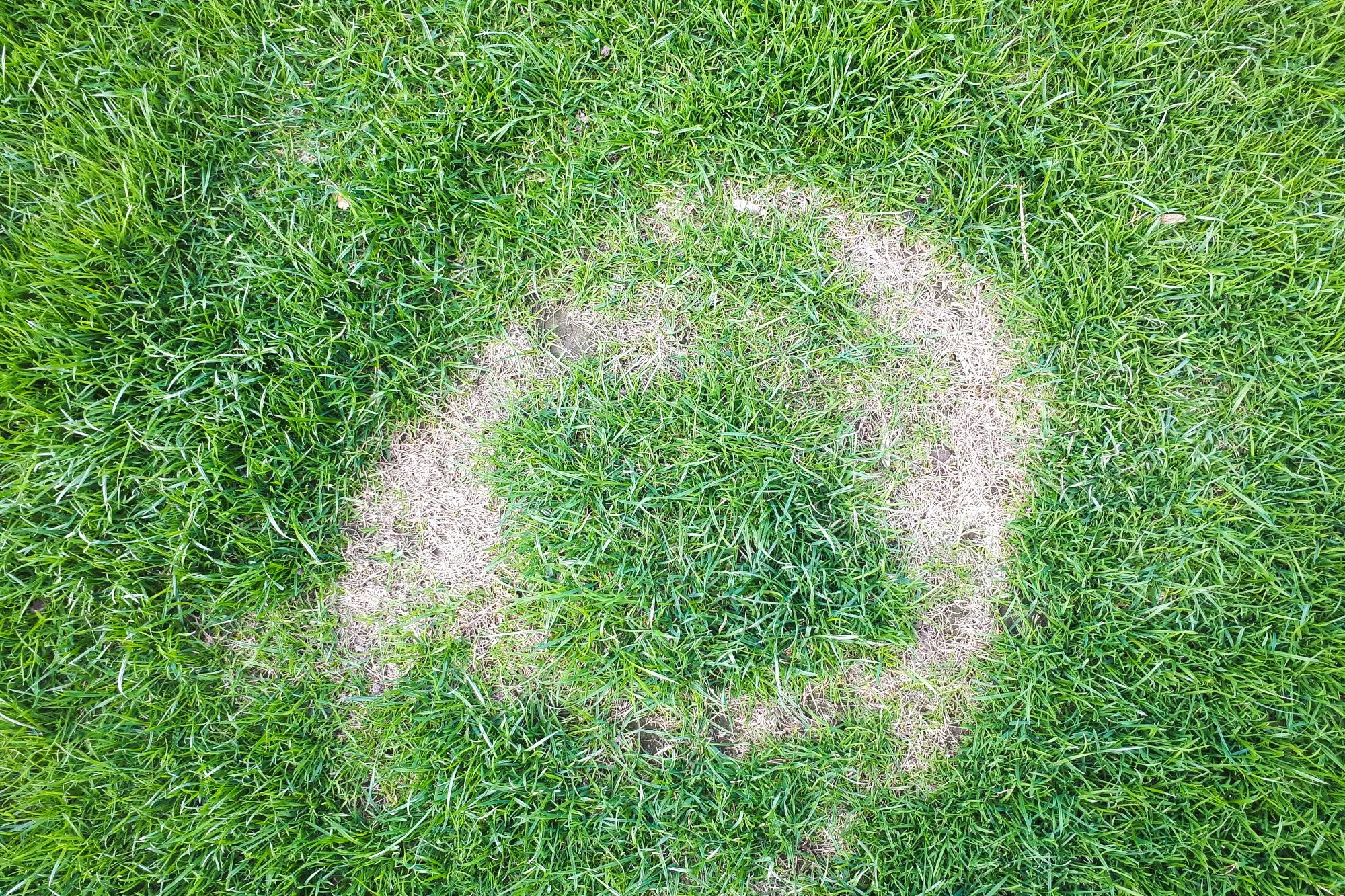
Patchy lawn areas can usually be repaired when the cause is limited to seasonal stress, pet damage, or isolated wear. If only one section repeatedly struggles while the remainder of the lawn stays healthy, localized issues such as shade, irrigation coverage, or soil conditions may be responsible rather than the need for complete lawn replacement.
A larger refresh may be needed when the lawn remains thin, uneven, or bare after watering, fertilizing, aeration, and reseeding. Persistent lawn failure can point to compacted soil, poor drainage, heavy shade, grading issues, or turf that has deteriorated across most of the yard to the point where repair is no longer practical. In those cases, sod installation may be more practical than continuing to repair areas that cannot establish properly.
Overgrown or Poorly Positioned Trees and Shrubs
Trees and shrubs become a landscape problem when they block access, crowd walkways, press against fences, limit visibility, or prevent lawn and garden areas from receiving enough light. Pruning may solve minor overgrowth, but it will not correct plants that were placed too close to structures, have mature root systems affecting nearby features, or have naturally outgrown the available space.
A refresh allows those plantings to be removed, repositioned, or replaced as part of the overall yard plan. This matters when overgrowth affects drainage paths, usable space, or the condition of nearby lawn and hardscape areas.
Hardscape Features Showing Age or Structural Issues
Hardscape issues are more serious when they involve movement, sinking, cracking, loose edges, or uneven surfaces. Minor surface wear or small cosmetic cracks may not justify replacement, but displaced paving stones, settlement, leaning walls, or unstable walking surfaces often indicate structural concerns.
In Edmonton, freeze-thaw conditions commonly expose weaknesses in base preparation or drainage beneath hardscape features rather than causing every failure on their own. When hardscape problems appear in several areas, replacement or rebuilding may be more effective than patching one section at a time.
Functional Problems That Indicate a Landscape Redesign
A yard can look acceptable and still function poorly. Functional problems usually affect how the space drains, how people move through it, or whether outdoor features still support daily use.
Drainage or Water Pooling Across the Yard
Water pooling is a redesign concern when it repeatedly collects near foundations, low lawn areas, walkways, patios, or garden beds. Minor puddles immediately after heavy rainfall can be normal, but standing water that remains well after surrounding areas have drained often indicates grading, soil compaction, drainage flow, or hardscape slope issues.
Some drainage problems also originate from neighbouring properties or broader grading conditions rather than the yard itself, making a proper assessment important before deciding on corrective work.
A repair may work when the issue is isolated. A redesign is more likely needed when water problems affect multiple areas or when previous fixes have not changed where water collects.
Yard Layout No Longer Matches How the Space Is Used
A landscape refresh may be needed when the yard no longer fits how the household uses the property. Common examples include unused lawn areas, awkward access routes, crowded patios, disconnected garden beds, or outdoor spaces that no longer support pets, children, entertaining, storage, or maintenance needs.
This is different from wanting a new look. The decision becomes practical when the current layout creates inaccessible areas, inefficient movement, unnecessary maintenance, or outdoor spaces that consistently go unused.
Retaining Walls, Paths, or Garden Beds Failing
Retaining walls, paths, and garden beds need attention when they no longer hold grade, define space, or provide stable access. Leaning walls, separated blocks, washed-out soil, sunken paths, collapsing bed edges, or repeated erosion that prevents garden beds from retaining soil and mulch can indicate structural or base problems.
Repair can make sense for a small, contained failure. A broader refresh is more practical when several built features are failing together or when the underlying slope and drainage need to be corrected first.
When Multiple Yard Problems Start Appearing Together
One yard issue does not always mean the entire landscape needs to be refreshed. The stronger signal is a pattern of problems appearing at the same time, such as poor lawn recovery, drainage issues, overgrown planting areas, and failing hardscape features.
Several unrelated cosmetic issues do not automatically require a complete refresh. The need for larger landscaping work becomes more likely when multiple problems share common underlying causes such as grading deficiencies, aging infrastructure, or poor site layout.
When problems overlap, fixing one item can leave the cause untouched. Replacing sod without addressing drainage may lead to the same lawn failure. Rebuilding a path without correcting base movement may only delay the next repair. A full refresh helps reset the yard in the correct order.
What a Landscape Refresh Typically Involves
A landscape refresh usually focuses on the parts of the yard that are no longer performing. The scope can be moderate or extensive depending on the property’s condition, budget, and priorities. Most refresh projects are customized, meaning they address only the landscape elements that require improvement rather than replacing every feature in the yard.
Lawn Replacement or Sod Installation
Lawn replacement or sod installation is often considered when the existing lawn cannot recover evenly. This may include removing damaged turf, correcting uneven areas, improving soil preparation, and installing new sod where repair is no longer efficient.
Sod is not always necessary for every thin lawn. It becomes more practical when bare areas are widespread, the lawn surface is uneven, or repeated repair attempts have not produced stable growth.
If grading or drainage problems are left uncorrected before installation, new sod may experience many of the same issues as the previous lawn. Addressing those underlying conditions first generally improves long-term performance.
Hardscape Improvements and Retaining Walls
Hardscape improvements may include rebuilding paths, replacing borders, improving patios, or constructing retaining walls where slope and soil movement need better control. These features are often tied to usability, drainage, and safe movement through the yard.
Retaining walls that support significant soil loads serve a structural purpose and typically require different construction considerations than decorative garden edging. In either case, proper base preparation, drainage behind the wall, and suitable materials contribute to long-term stability.
Turf, Deck, Fence, and Outdoor Layout Updates
A refresh can also include artificial turf, deck updates, fence construction, and changes to the outdoor layout. These elements are usually considered when the yard needs lower maintenance, better privacy, clearer zones, or improved access between outdoor areas.
Artificial turf may be a practical option in areas with persistent shade, consistently heavy foot traffic, or where reducing ongoing lawn maintenance is a priority. Decks, fences, and layout changes are included only when they solve functional issues that cannot be addressed through lawn or planting improvements alone.
When Edmonton Homeowners Usually Plan Landscape Refresh Projects
Edmonton homeowners often plan landscape refresh projects once snow has melted and yard conditions are visible. Spring and early summer are common times to assess lawn damage, drainage patterns, soil movement, and hardscape wear from the previous winter.
Planning can also happen later in summer or fall when the yard has been used enough to reveal layout issues. Property assessments and project planning can begin during winter even if construction is scheduled for the following landscaping season. The best timing depends on project scope, material availability, weather, and whether grading, sod, retaining walls, decks, fences, or turf are involved.
Getting a Professional Yard Assessment for a Landscape Refresh
A professional yard assessment helps separate maintenance issues from landscape problems that need a larger correction. The assessment evaluates existing site conditions, including lawn health, drainage, grading, soil stability, hardscape movement, planting placement, access, and how the yard is currently used.
The goal is to determine whether routine maintenance, isolated repairs, phased improvements, or a complete landscape refresh is the most appropriate solution before work begins. A site assessment identifies existing conditions rather than producing a finished landscape design.
LandSharx can assess Edmonton yards and identify whether the practical next step is simple maintenance, targeted repair, or a full landscape refresh involving sod, turf, retaining walls, hardscaping, fencing, decking, or layout updates.