Fall cleanup in Edmonton can still be worthwhile after temperatures drop, but the window for completing certain tasks becomes smaller as winter approaches. An early frost or snowfall does not automatically mean yard maintenance must stop. What matters is whether the lawn remains accessible, the ground can support equipment, and the remaining work can be completed without damaging the grass. Landsharx helps Edmonton homeowners determine which fall cleanup tasks are still practical and which should be postponed until spring.
The Short Answer: When Is Fall Cleanup No Longer Practical?
It is generally too late for fall cleanup in Edmonton when persistent snow cover, frozen ground, or saturated soil makes the remaining work impractical or risks damaging the lawn. There is no fixed calendar date when all cleanup must stop because ground conditions and the arrival of sustained winter weather vary each year.
Some tasks remain practical much later than others. Removing exposed leaves and loose debris may still be possible after several frosty nights, while aeration and other lawn treatments depend on suitable soil conditions and seasonal timing. Homeowners should evaluate the remaining work individually rather than assume every fall maintenance task has the same deadline.
Should You Wait Until Every Leaf Has Fallen?
Waiting until every leaf has fallen is not always the best approach, particularly for Edmonton properties with mature trees that continue shedding leaves late into autumn. If thick layers are already covering the grass, allowing them to accumulate can make removal more difficult, especially when rain or early snowfall compresses the material.
Heavy leaf coverage can block sunlight from reaching actively growing grass and trap moisture against the turf. Dense, wet layers can also contribute to matted grass and conditions favourable to certain lawn diseases beneath winter snow cover. Removing excessive accumulation before winter reduces prolonged coverage, although it does not guarantee that the lawn will avoid winter damage.
A practical approach is to remove significant leaf accumulation while conditions are suitable, then consider another cleanup once most remaining leaves have fallen. Properties with lighter coverage may only need a final pass, and dry leaves can sometimes be finely mulched into the lawn if they do not form a thick layer over the grass. The priority is preventing excessive buildup rather than collecting every individual leaf.
What Changes for Fall Cleanup After the First Frost?
The first frost in Edmonton is not a cutoff for fall cleanup. A light overnight frost affects exposed grass and leaves, but the soil underneath may remain workable once temperatures rise during the day.
The main concern is disturbing frosted grass or placing unnecessary pressure on the lawn while ice crystals remain on the blades. Walking repeatedly across frosted turf, operating heavy equipment, or aggressively raking the surface can damage grass that would otherwise tolerate normal activity after thawing.
Homeowners should distinguish between temporary surface frost and sustained freezing conditions. If the frost clears, the grass dries, and the ground remains firm enough to support activity, certain cleanup tasks can continue without waiting for an extended period of warmer weather.
Repeated freezing temperatures narrow the available working periods because suitable conditions may last only part of the day. Scheduling work around those conditions is more important than the date of the first frost itself.
Can Cleanup Continue After an Early Snowfall?
Fall cleanup can resume after an early Edmonton snowfall if the snow melts and exposes the lawn again. Temporary snow cover does not necessarily end the season, particularly when temperatures return above freezing and the yard becomes accessible.
However, snowmelt can leave the ground saturated even after the surface appears clear. Attempting cleanup immediately can create ruts, compact soft soil, or pull grass loose during raking. If footprints sink into the lawn or equipment leaves impressions, conditions are not suitable for work that requires crossing the turf.
There is also a difference between collecting exposed debris and trying to remove material buried beneath snow or ice. Leaves frozen into the lawn should not be scraped out aggressively because the underlying turf can be damaged along with the debris.
A short thaw is only useful when it provides enough time for the ground to become accessible and stable. If snow remains or repeated freeze-thaw cycles prevent safe access, postponing the unfinished work until spring is generally more practical.
Does Every Part of Your Yard Have the Same Cleanup Window?
Different areas of an Edmonton property can become unsuitable for fall cleanup at different times. A south-facing front lawn may thaw and dry during a mild afternoon while a shaded backyard remains frozen or covered in snow. Tree coverage, drainage, and the amount of sunlight reaching the ground all influence how long individual areas remain workable.
Low-lying sections that collect water often take longer to dry after snow melts. Areas beneath dense trees can also retain moisture and remain cooler than exposed sections, creating different working conditions across the same property.
These differences matter when determining how much of the yard can be maintained during late autumn. A property does not need to be treated as entirely accessible or unsuitable simply because one section is frozen or wet. Conditions should be evaluated separately where exposure, drainage, or soil stability differs.
Which Fall Cleanup Tasks Depend on Soil and Ground Conditions?
Different fall cleanup activities place different demands on the lawn, so suitable timing depends on more than whether the ground is frozen. Leaf removal primarily requires an accessible surface, mowing depends on grass and soil conditions, and aeration requires workable soil along with enough active growth for turf recovery. Evaluating these requirements separately helps determine which services remain appropriate as winter approaches.
When Is It Too Late for Leaf and Debris Removal?
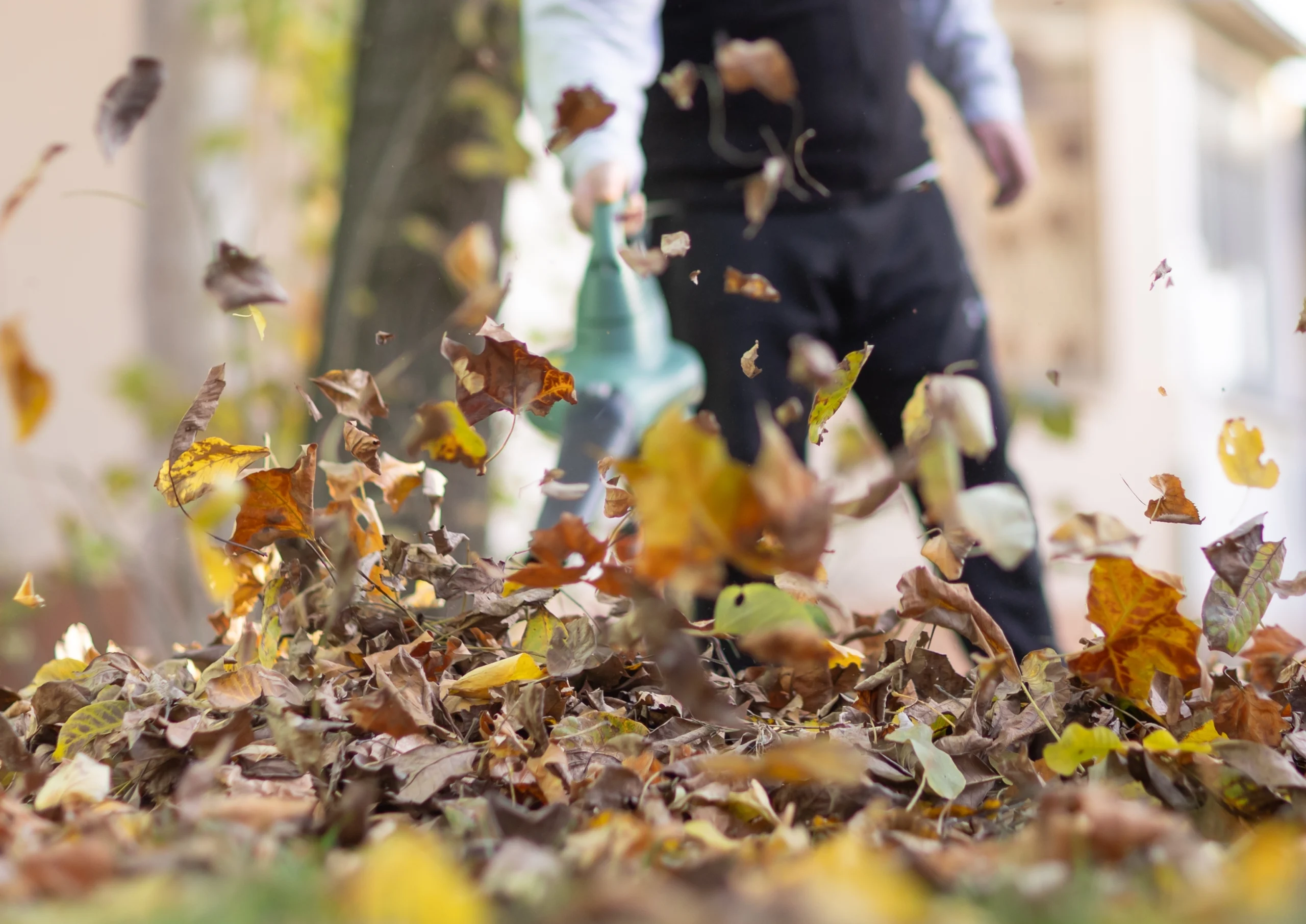
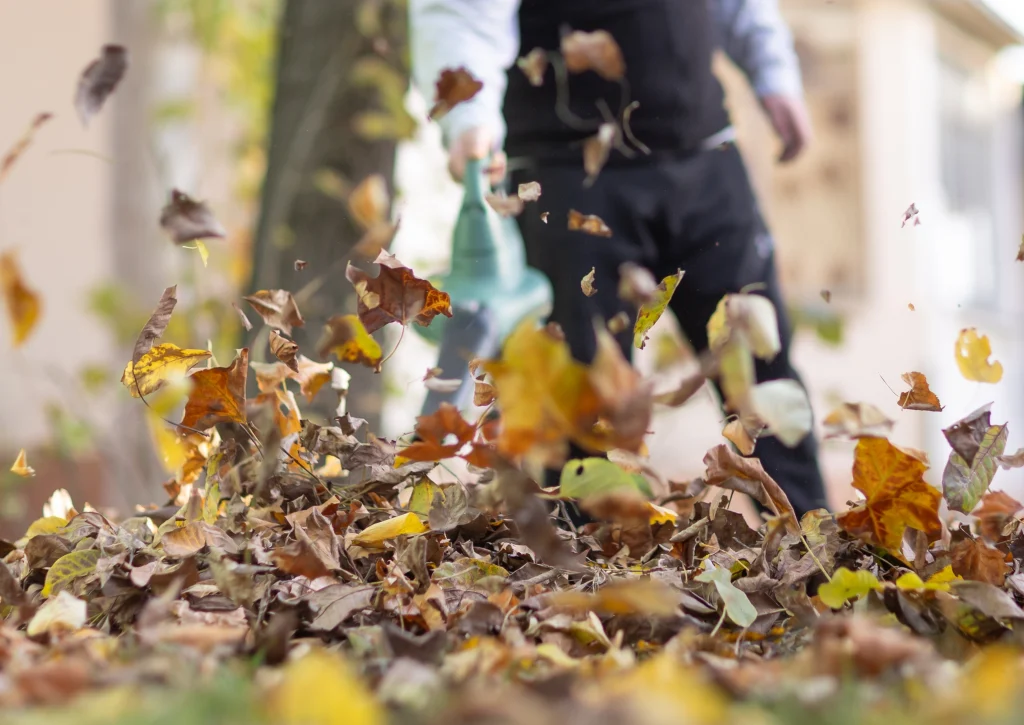
Leaf and debris removal can continue relatively late in the season when the material is exposed and accessible. Dry leaves, fallen twigs, and loose organic debris can often be collected without disturbing the soil, provided the lawn supports foot traffic and equipment.
Wet leaves require more care because they become heavier, stick together, and can adhere to the grass beneath them. Gentle raking, blowing, or collection is preferable to aggressive scraping, particularly where the turf is soft or easily disturbed.
Removal becomes impractical when debris is firmly frozen into the ground or collecting it would require pulling at the grass beneath it. Loose material can be cleared from accessible sections while embedded debris is left until conditions improve.
When Should You Complete the Final Lawn Cut Before Winter?
A final lawn cut is appropriate when the grass has grown enough to require mowing and conditions allow the equipment to operate without damaging the turf. Edmonton lawns can continue growing during cool autumn weather, so the first frost alone does not establish when the last cut should occur.
Mowing should be avoided when the grass is frozen, excessively wet, or growing over saturated soil that cannot support the mower without rutting. Cutting grass extremely short is also unnecessary and can weaken the turf before winter dormancy.
If the grass remains unusually long, a final cut may still be appropriate when conditions permit. As a general mowing practice, no more than about one-third of the grass blade should be removed in a single cut because excessive cutting can stress the lawn. If reaching the desired height would require removing substantially more, a gradual reduction is preferable when sufficient growing time remains.
Once top growth has stopped and the grass is already at a reasonable height, further mowing generally provides little benefit. There is no need to force another cut simply because it was included in an earlier maintenance schedule.
Is It Too Late for Lawn Aeration and Fertilization?
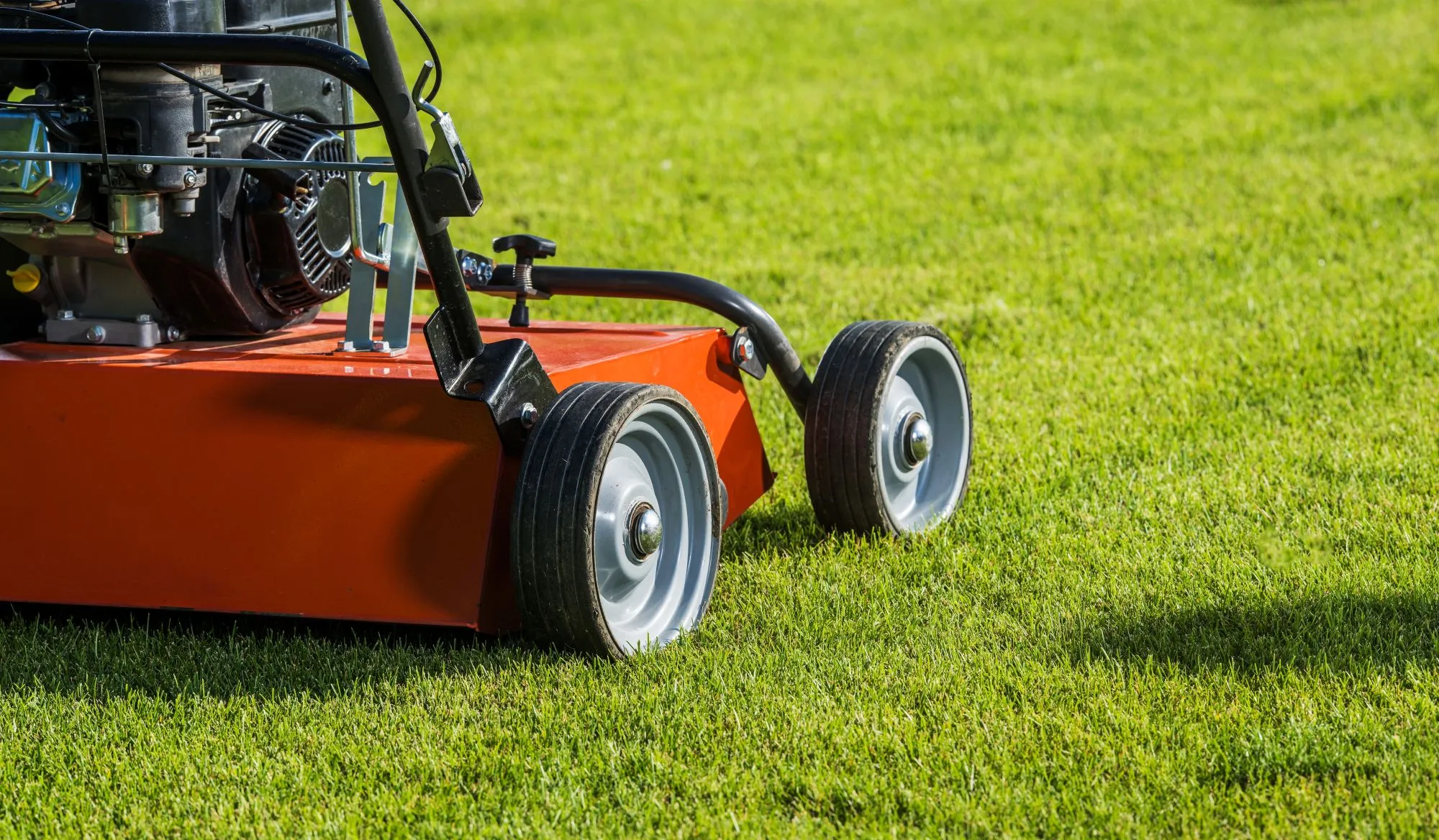
Aeration has a narrower late-season window because the equipment must penetrate the soil and the grass needs suitable conditions to recover. Core aeration is generally most effective for cool-season lawns during active growth when the soil is moist enough for proper penetration without being saturated.
Unfrozen soil alone does not mean aeration is still appropriate. If the grass has entered dormancy or sustained freezing temperatures are approaching, the lawn may not have adequate growing time to recover from the disturbance. Aerating excessively wet soil can also create compaction and surface damage rather than relieving existing soil restrictions.
Fertilization requires a separate timing decision because its suitability depends on the fertilizer formulation, lawn condition, and stage of seasonal growth. Fall fertilization recommendations vary, particularly in Prairie climates where stimulating late growth can interfere with winter hardening. A treatment that was appropriate earlier in the growing season should not automatically be applied after temperatures have dropped substantially.
Fertilizer should not be applied over snow-covered or frozen ground because nutrients can be carried away by runoff instead of reaching the soil. Late-season applications should be considered only when the product, lawn requirements, and local conditions support their use, rather than as a routine step immediately before winter.
Our Edmonton lawn care service includes aeration and fertilization, with individual treatments considered according to lawn conditions and seasonal requirements. When the suitable treatment window has passed, those services can be reconsidered during a future maintenance period rather than completed automatically.
Is a Partial Fall Cleanup Still Worth It?
A partial fall cleanup can be worthwhile when there is not enough suitable weather remaining to complete every planned maintenance task. The decision should prioritize work that addresses existing lawn conditions rather than attempting to finish an entire seasonal maintenance schedule.
For example, clearing heavy leaf accumulation from accessible turf may provide more immediate value than completing optional finishing work across the property. Areas with extensive debris coverage generally deserve attention before sections with only scattered leaves, provided removal can be completed without damaging the grass.
A reduced cleanup is less useful when the remaining tasks are primarily cosmetic or require disturbing vulnerable turf. The work should have a clear maintenance purpose, whether that involves removing excessive debris or addressing an accessible area where accumulated material could create problems over winter.
The scope of a partial cleanup should be established before work begins so homeowners understand which areas will receive attention and which tasks will remain unfinished. This helps avoid unnecessary work while allowing priority maintenance to proceed during suitable weather conditions.
What Happens If You Skip Fall Cleanup Entirely?
Missing fall cleanup does not automatically mean an Edmonton lawn will suffer serious winter damage. The consequences depend on the lawn’s condition before winter, the amount of material remaining, and the weather experienced during snow cover.
Properties with minimal debris and grass already maintained at an appropriate height may enter winter without significant problems. However, neglected areas with excessive organic buildup can experience prolonged moisture retention, matted turf, and conditions that complicate spring recovery.
Skipped maintenance can also increase the amount of work required once the snow disappears. Compacted debris may need careful removal, while areas showing thinning, discolouration, or poor growth may require assessment before repair work is considered.
Not every missed service creates the same consequences. Leaving a lawn without an unnecessary final mowing is different from allowing substantial debris to remain over the grass throughout winter. Homeowners should consider what maintenance was actually needed rather than assume that skipping an entire cleanup automatically requires corrective treatment.
Should You Complete Missed Fall Cleanup in Early Spring?
When fall cleanup is no longer practical, spring provides another opportunity to address unfinished maintenance. However, Edmonton lawns can remain wet, partially frozen, or vulnerable to disturbance after the snow disappears, so cleanup should begin only when the ground can support the intended work.
The first step is to inspect the turf and identify any debris or damaged sections that require attention. Remaining leaves and loose material can be collected once the lawn is sufficiently dry, while matted or discoloured grass should be evaluated before aggressive raking or mechanical treatments begin.
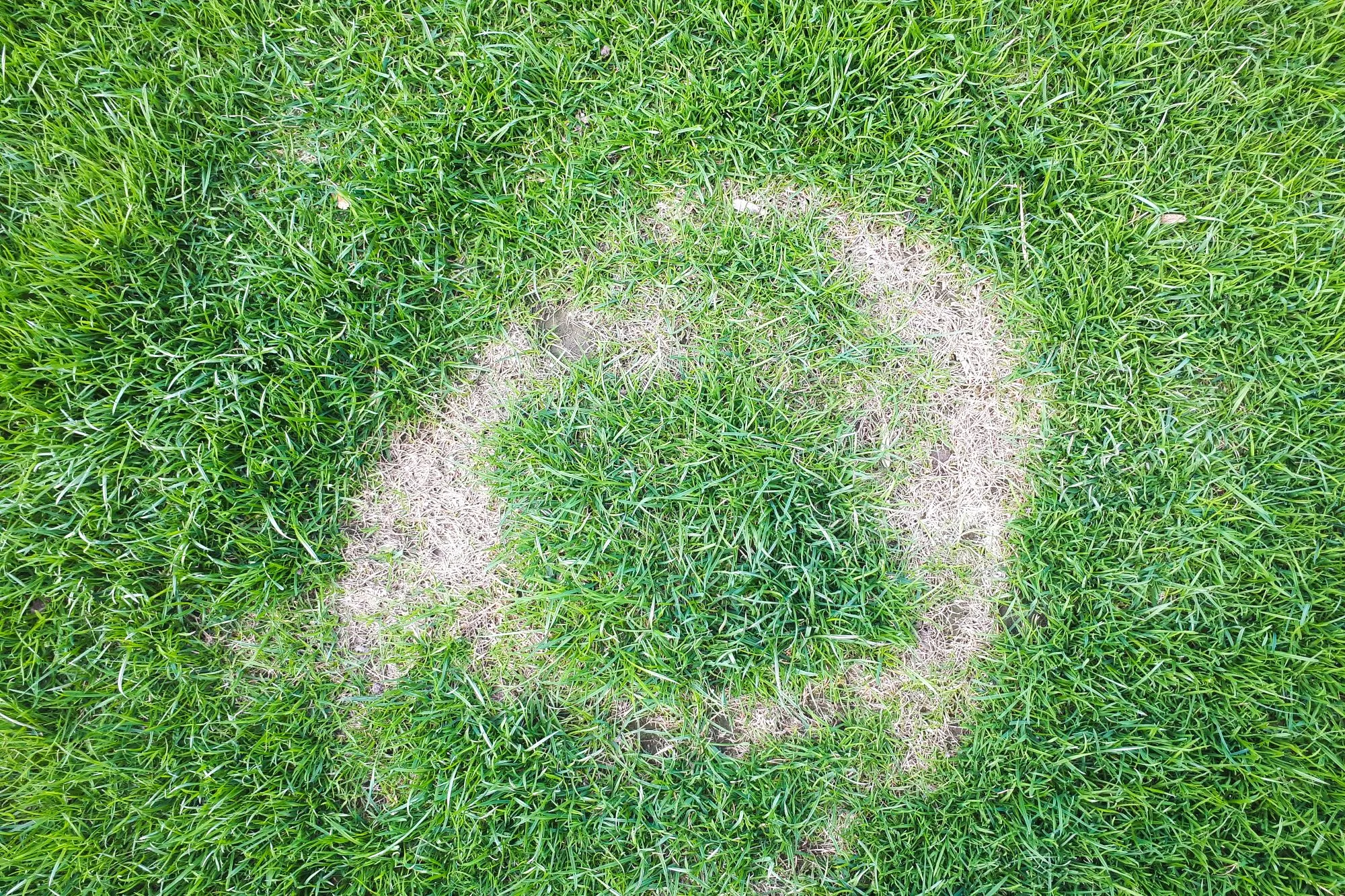
Some winter damage becomes visible only after snowmelt, but discoloured grass is not necessarily dead. Certain affected areas recover as growing conditions improve, while others may require repairs or reseeding if the turf has been seriously damaged.
Spring cleanup is not an exact substitute for every missed fall service. It can remove accumulated material and prepare the yard for the growing season, but it cannot reverse all damage that developed during winter. Treatments postponed from autumn should also be reassessed according to spring growing conditions rather than automatically rescheduled.
When Should You Request a Fall Cleanup Assessment?
Homeowners should request a fall cleanup assessment when substantial leaves or debris remain but changing weather makes it unclear whether the work can still be completed. This is particularly useful when several maintenance tasks are unfinished, different sections of the property have different ground conditions, or the available working period is becoming limited.
Requesting an assessment before sustained snow cover provides an opportunity to establish what work remains practical while the lawn is still accessible. If the property is already covered by persistent snow and no suitable conditions are expected, scheduling an assessment for spring may be more useful unless there is another immediate property maintenance concern.
Before requesting service, homeowners should identify the areas requiring attention, the approximate amount of debris remaining, and any access restrictions caused by snow, ice, or saturated soil. They should also explain which maintenance tasks were originally planned so that the remaining work can be evaluated according to its purpose and seasonal suitability.
An assessment should establish which tasks can still be completed, whether a reduced cleanup would address the most important concerns, and what should be deferred. It should also clarify the proposed scope of work so that unsuitable seasonal treatments are not included unnecessarily.
For Edmonton homeowners who have missed their usual fall cleanup window, Landsharx provides property consultations and estimates to help establish the appropriate scope of lawn maintenance. Reviewing the property’s condition and remaining requirements can help determine whether useful cleanup work is still practical or whether specific services should be planned for spring.