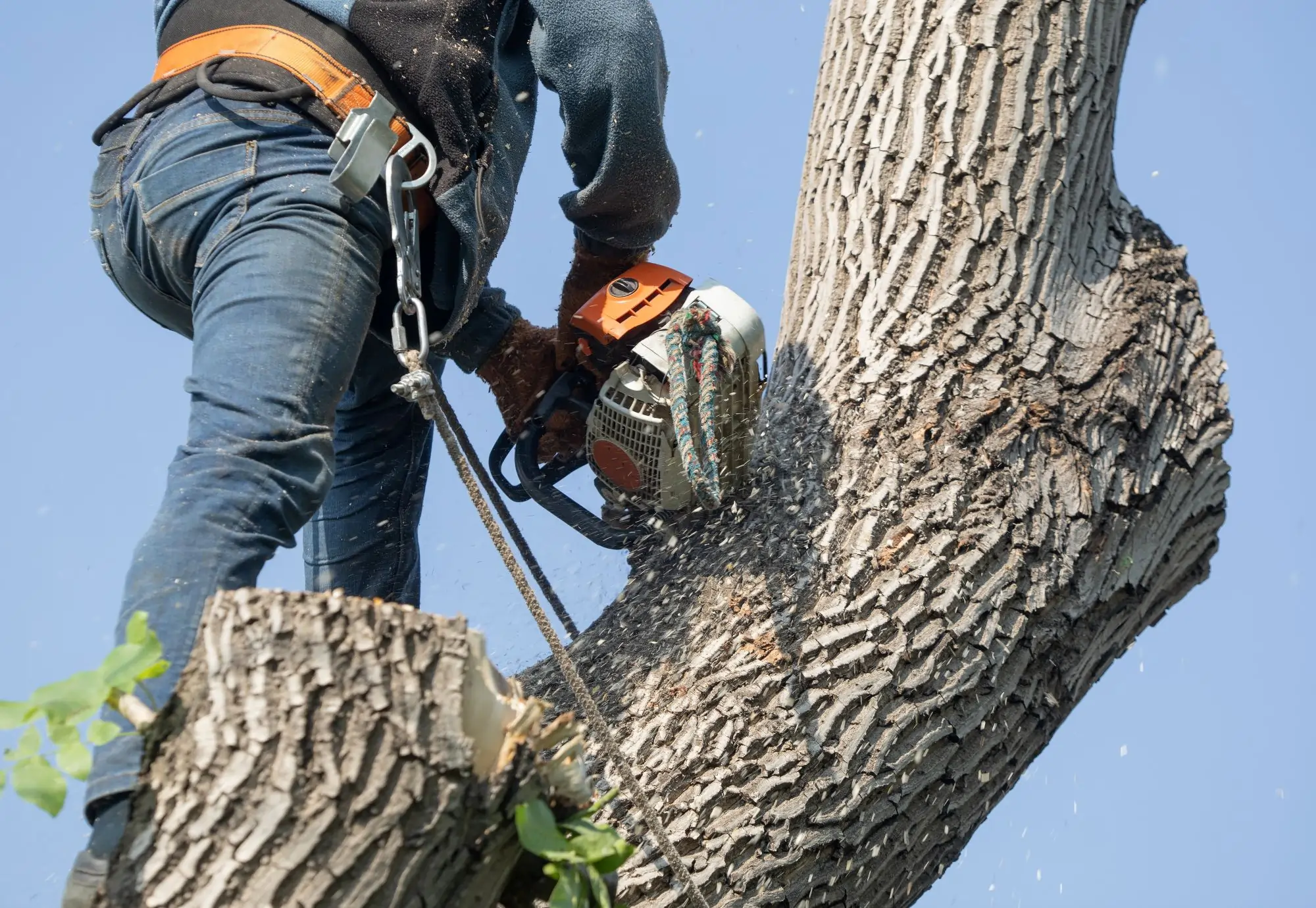
When tree removal is safer than tree pruning depends on whether the tree can still support itself under normal conditions without risk of failure. Structural integrity becomes a concern when visible issues such as deep trunk cracks, significant lean, or root instability affect a meaningful portion of the tree. As a general reference, when damage affects a large section of the trunk, when lean increases over time, or when roots no longer anchor the tree securely, removal becomes the safer option. In some cases, temporary pruning or staged reduction can delay removal, but this does not resolve underlying structural failure. Landsharx evaluates these conditions to determine whether pruning can reduce risk or if removal is required to prevent damage.
The Role of Tree Pruning in Maintaining Tree Health
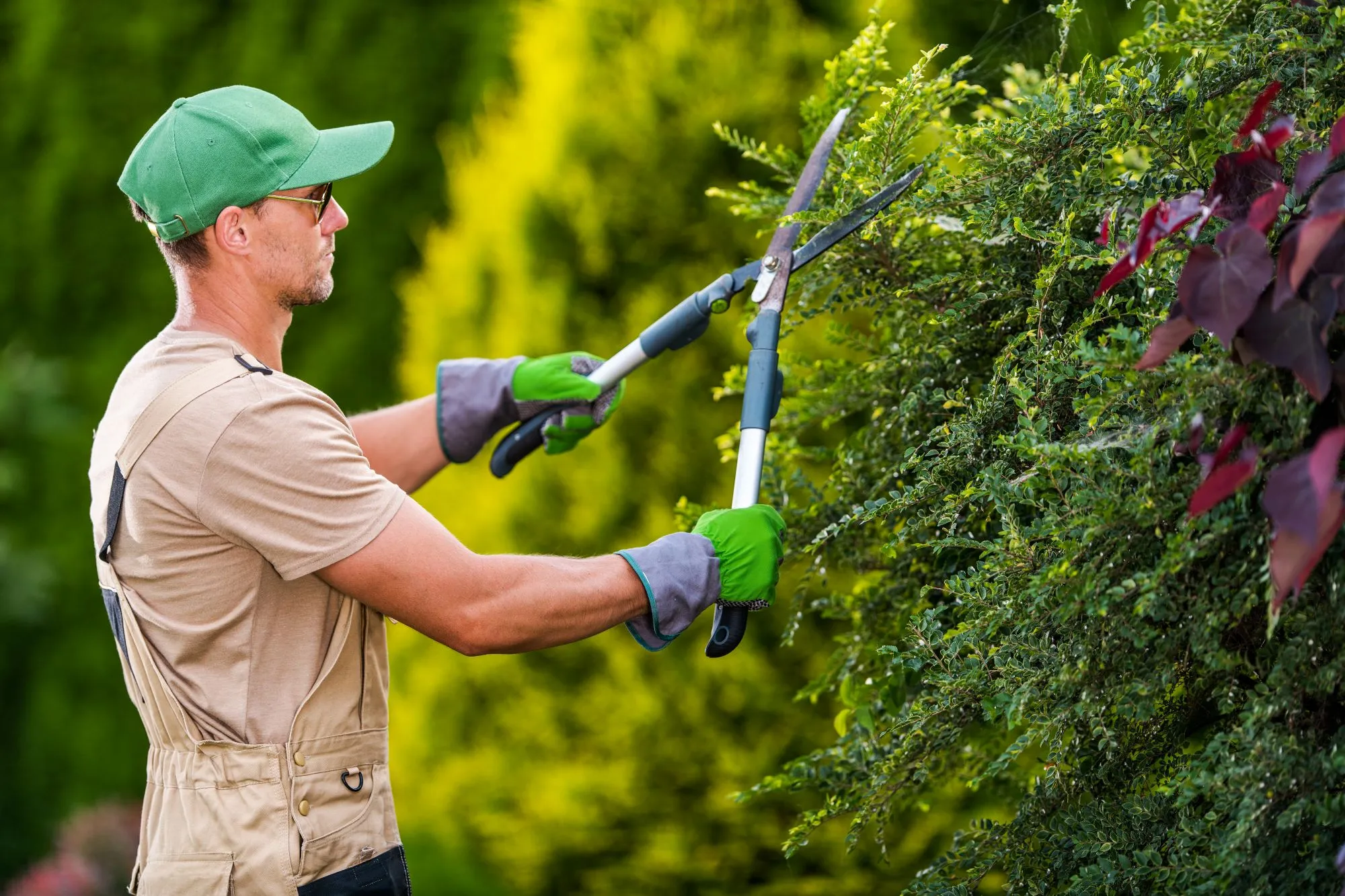
Tree pruning serves two main purposes, maintenance and corrective work. Maintenance pruning removes dead or overgrown branches to support healthy growth, while corrective pruning addresses early structural issues such as minor imbalance or weak branch connections.
Pruning works best when the tree’s trunk and root system remain stable. It can manage surface-level problems and prevent small defects from developing further. However, improper pruning can increase risk by removing too much canopy or creating uneven weight distribution, which can stress the tree and reduce stability.
Pruning cannot repair internal decay, major structural damage, or root instability. Understanding these limits helps define when pruning is appropriate and when removal becomes necessary.
Situations Where Pruning Can Safely Resolve Tree Problems
Pruning can safely resolve issues when the tree remains structurally sound and the problem is limited to branches or early-stage imbalance. In most cases, removing more than about 20 to 30 percent of the canopy at once increases stress and can weaken the tree.
Tree species can also influence how well pruning works. Some species tolerate pruning better than others, while certain trees respond poorly to aggressive cutting.
Dead or Overgrown Branches
Dead or overgrown branches create hazards by increasing the risk of falling limbs. Removing these branches reduces weight and eliminates weak points without affecting the main structure. The size and location of branches matter. Removing large limbs close to the trunk can impact structural balance, especially if multiple large branches are removed at once. Over-pruning can also create new stress points and reduce stability.
Minor Structural Imbalance
Minor imbalance appears when canopy weight shifts unevenly but does not affect trunk alignment or root stability. This can show as uneven growth to one side or slight directional leaning without movement at the base. Pruning can redistribute weight in these cases, improving balance without compromising the tree’s core structure.
Trees Encroaching on Rooflines
Trees that grow into rooflines or structures can cause damage through contact or debris. Pruning creates clearance and reduces this risk. Encroachment becomes a structural concern when branches originate from weak unions or when the tree shows signs of instability near the base. In those cases, pruning alone may not resolve the underlying risk.
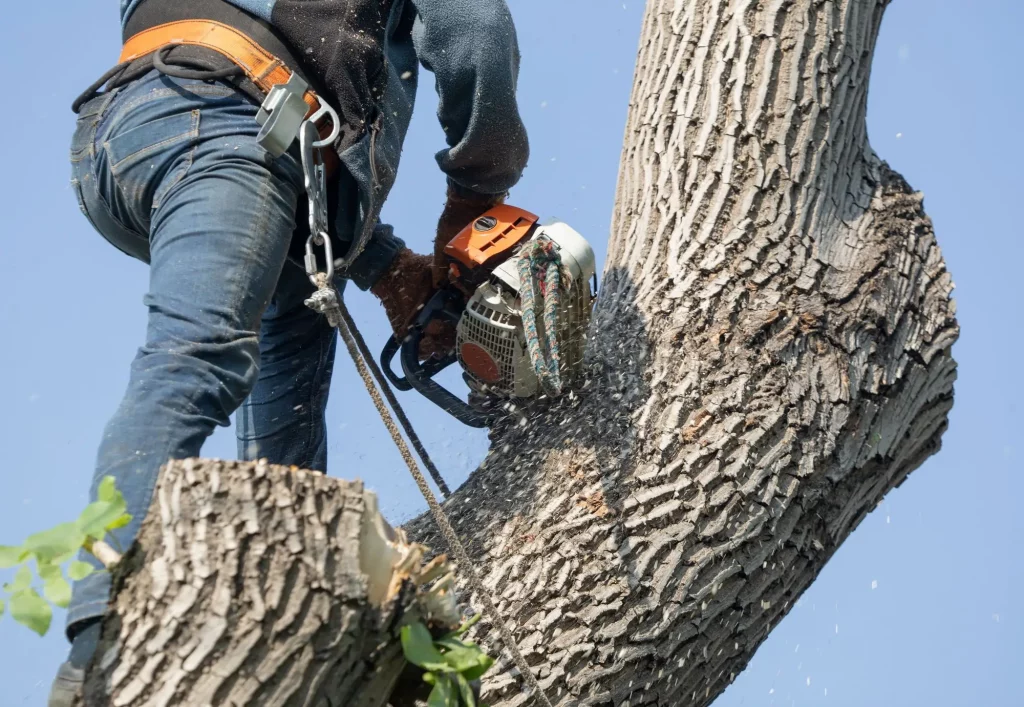
Structural Problems That Pruning Cannot Fix
Pruning cannot correct problems that affect the core structure of the tree. When trunk integrity, internal strength, or root support fails, the risk of collapse increases regardless of branch removal. Pest infestation and disease can also weaken internal structure over time. When these issues spread through the trunk or root system, they reduce the tree’s ability to remain stable.
Severe Trunk Damage
Severe trunk damage includes deep cracks, large splits, or sections where a significant portion of the trunk has been compromised. As a general guideline, when damage affects a large percentage of the trunk diameter, the tree cannot reliably support its canopy. While cabling or bracing may provide temporary support in some cases, these methods do not restore structural strength and are not long-term solutions for major damage.
Large Cavities or Internal Rot
Large cavities or internal rot weaken the tree from the inside. Signs may include visible hollow sections, fungal growth, or a hollow sound when the trunk is tapped. When decay affects a substantial portion of the trunk, the remaining structure may not support the tree under stress conditions such as wind or snow load.
Root System Failure
Root system failure reduces the tree’s ability to remain anchored. Indicators include exposed roots, soil lifting around the base, or a noticeable shift in position. While minor soil issues can sometimes be corrected, widespread root damage or decay cannot be reversed through pruning or surface-level adjustments.
Safety Risks That Often Require Tree Removal
Certain conditions create elevated risk, especially when trees are located near structures or high-use areas.
Leaning Trees Near Homes or Driveways
A leaning tree may indicate root instability or structural imbalance. A stable lean that has not changed over time may not pose immediate risk, but a progressive lean or sudden shift suggests instability. When a tree leans toward homes, driveways, or walkways, even moderate failure risk can lead to significant damage. In these cases, removal is often the safer option.
Trees Threatening Power Lines
Trees near power lines create safety hazards and are often subject to clearance regulations. Maintaining safe distance is required to reduce risk. Utility companies may handle trimming in some situations, but when a tree cannot maintain clearance or continues to grow into restricted zones, removal may be necessary.
Storm-Damaged Trees
Storm damage can range from broken branches to major structural failure. Superficial damage may be resolved through pruning, but split trunks, major limb loss, or root disturbance indicate higher risk. Assessment should occur as soon as conditions are safe after a storm, since structural damage may not be immediately obvious.
Comparing the Risks of Pruning vs Removal
The decision between pruning and removal depends on both the likelihood of failure and the potential impact if failure occurs. Leaving an unsafe tree in place can increase liability, especially if it affects nearby structures or public areas.
| Tree Condition | Recommended Action | Potential Risks |
|---|---|---|
| Isolated dead branches | Pruning | Low likelihood of failure, limited impact |
| Minor imbalance or overgrowth | Pruning | Moderate risk if not corrected early |
| Trunk damage or internal decay | Removal | High likelihood of structural failure |
| Root instability or progressive lean | Removal | Increased risk of collapse under stress |
| Severe storm damage | Removal | Unpredictable failure and safety hazards |
Pruning reduces risk when issues are limited and manageable. Removal eliminates risk when the tree itself is unstable or compromised.
When Professional Assessment Is Necessary
Professional assessment is necessary when structural damage, leaning, or root issues are present and risk cannot be clearly determined through visual inspection alone. A qualified professional typically refers to a certified arborist or an experienced tree service with structural evaluation expertise.
Homeowners can identify visible warning signs, but they may not detect internal decay or root failure. Professional evaluation often includes inspecting trunk condition, checking root stability, and identifying hidden defects.
Assessment is especially important when signs conflict, such as a tree that appears healthy but shows structural irregularities. In these cases, expert input helps determine whether pruning is sufficient or if removal is the safer decision.