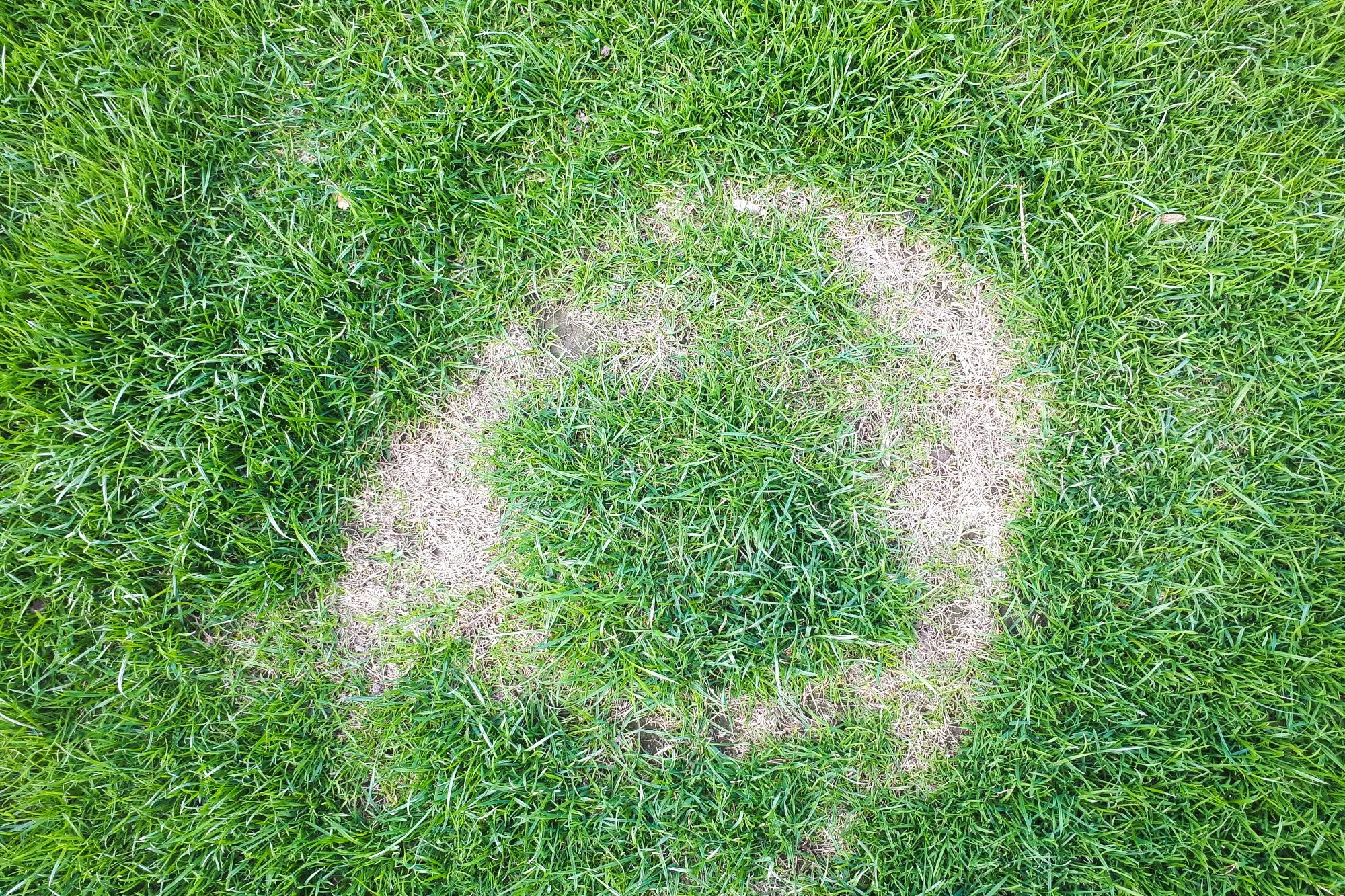
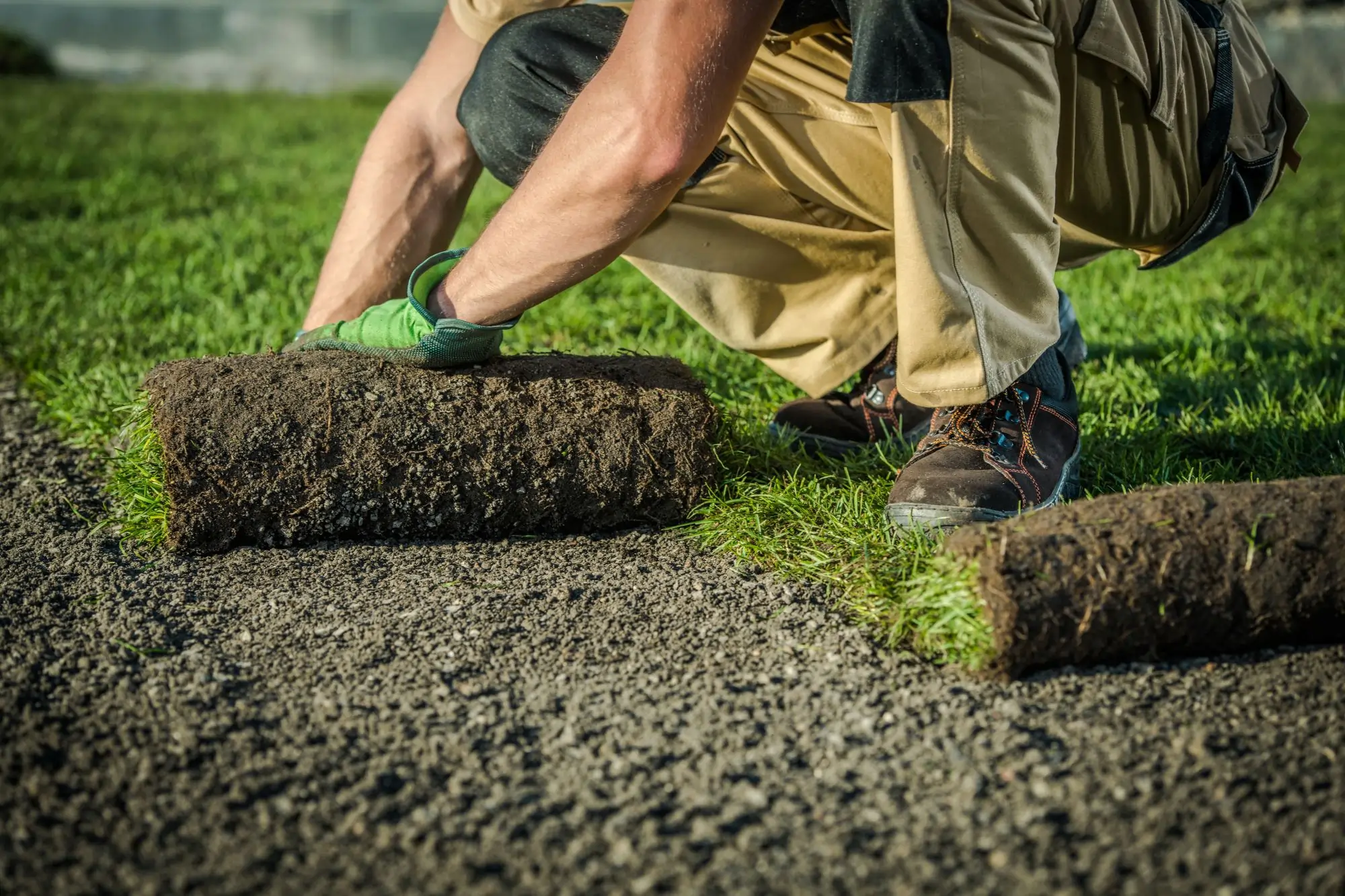
When sod installation makes more sense than lawn repair depends on how much of the lawn is damaged, how well the soil supports growth, and whether past repairs worked. Lawns with small, isolated damage can recover with repair. Lawns with widespread damage, poor soil, or repeated failure usually need full or partial sod replacement. As a general rule, when about 40 to 50 percent of the lawn is damaged or recovery would take longer than one full growing season, sod installation delivers a faster and more consistent result. Landsharx reviews these factors to decide whether repair will work or if replacement makes more sense.
Types of Lawn Damage That Are Often Repairable
Repair works best when damage stays limited, the soil supports regrowth, and the lawn can recover within one growing season. Soil supports regrowth when it drains properly, allows roots to grow, and contains enough organic material. Watering consistency also matters, since uneven watering can prevent recovery even when damage looks minor.
In most cases, repair makes sense when less than about one third of the lawn is damaged. This guideline can shift depending on soil quality and how the damage spreads.
Thin Grass From Seasonal Stress
Seasonal stress such as drought or winter conditions often causes thin grass that can recover. Grass usually remains viable when roots stay intact. You can test this by gently pulling on the grass. If it resists and shows green growth, it can recover. If it pulls out easily and stays brown, it has likely died.
If thinning happens every season, the lawn likely has deeper issues such as poor soil, drainage problems, or lack of sunlight. In these cases, repair may only provide short-term improvement.
Small Patch Damage From Pets or Traffic
Pets and foot traffic often create small damaged areas. Repair works when these areas stay isolated and the surrounding lawn remains healthy. To succeed, you need to correct the cause before repairing, such as redirecting traffic or managing pet use.
When small patches spread across the lawn or start overlapping, repair becomes less efficient. At that point, replacing sections or the full lawn often makes more sense.
Minor Weed Infestation
Repair can control weeds when grass still dominates the lawn. Surface weeds with shallow roots are easier to manage while allowing grass to recover.
When weeds develop deep root systems or take over large areas, they compete directly with grass. In these cases, removing weeds alone will not restore the lawn. If weeds return quickly after treatment, the underlying conditions likely favor weed growth, which makes replacement more effective.
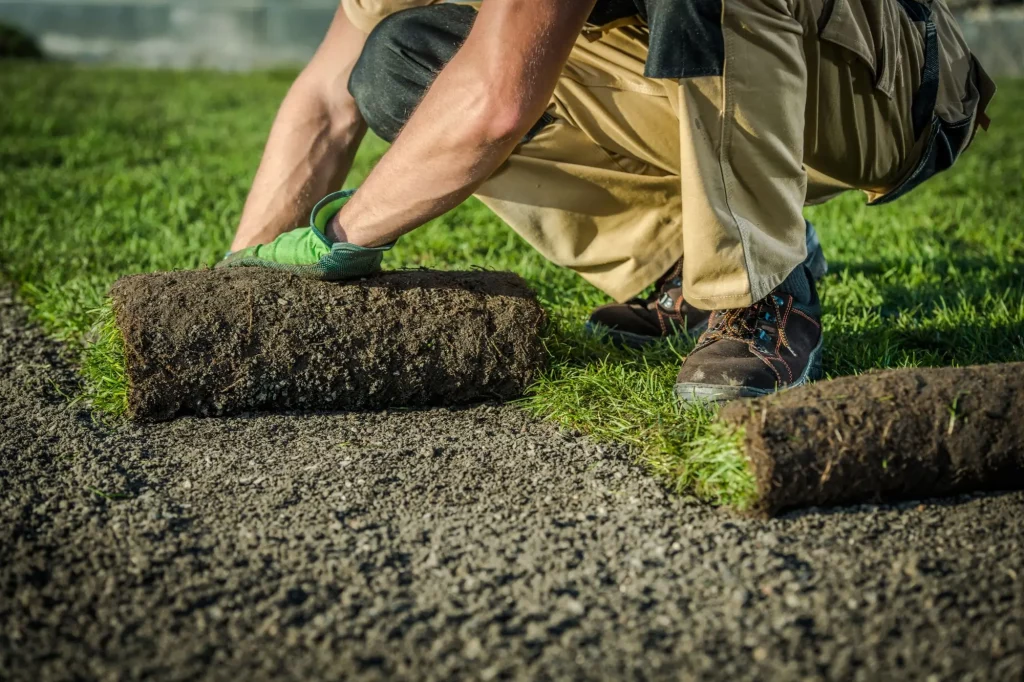
Warning Signs Lawn Repair May No Longer Work
Repair stops working when damage spreads across the lawn, soil conditions break down, or past repairs fail. Poor drainage, standing water, and grading issues can also prevent repair from succeeding.
Large Dead Areas Across the Lawn
Large dead areas break up the lawn and prevent even regrowth. When bare sections spread across the yard, new grass struggles to fill in evenly.
Many homeowners use 50 percent damage as a rough cutoff for replacement. This number can change depending on how the damage spreads. Large connected dead areas are harder to repair than smaller scattered patches.
Compacted or Depleted Soil Conditions
Compacted soil blocks root growth and prevents new grass from taking hold. You can identify compaction when water pools on the surface or when tools struggle to penetrate the ground.
In some cases, aeration and soil improvement can restore conditions enough for repair. When compaction affects most of the lawn, sod installation combined with proper soil preparation delivers better results.
Chronic Weed or Moss Takeover
Weeds and moss take over when conditions favor them over grass. Moss usually grows in damp, shaded areas with poor drainage. Aggressive weeds thrive in disturbed soil or nutrient imbalances.
You can sometimes reverse this by correcting conditions, but when takeover spreads across large areas or keeps returning, replacement provides a more reliable reset.
Comparing Lawn Repair vs Sod Installation Outcomes
Repair and sod installation differ in timeline, cost, effort, and long-term reliability.
| Factor | Lawn Repair | Sod Installation |
|---|---|---|
| Timeline | 6 to 12 weeks for improvement, full recovery may take a season | Immediate coverage, usable in 2 to 4 weeks |
| Cost Range | Lower upfront, may increase with repeated work | Higher upfront, usually one-time |
| Recovery Speed | Slower and depends on weather and soil | Fast and consistent when installed correctly |
| Reliability | Varies based on conditions and care | More consistent with proper preparation |
Repair requires ongoing effort, including watering, monitoring, and possible reseeding. Sod also needs early care, but once established, it provides a more uniform lawn. Sod only succeeds when the installer prepares the soil properly and maintains it during early growth.
Over time, repeated repairs increase total cost and delay results. Sod installation compresses that effort into a shorter timeline.
Situations Where Sod Installation Is Usually the Better Choice
Choose sod installation when repair cannot deliver consistent coverage, when soil conditions block regrowth, or when time matters. This includes preparing a home for sale or needing a usable lawn quickly.
Repair can still work in some of these situations if you correct underlying problems and allow enough time, but results are less predictable.
New Homeowners Replacing Neglected Lawns
New homeowners often inherit lawns with uneven grass, weed takeover, and poor soil. These signs point to long-term neglect.
Repairing these lawns can take multiple seasons. Sod installation resets the lawn quickly and creates a consistent starting point.
Yards With Extensive Soil Damage
Severe soil problems such as compaction, poor drainage, or low organic content prevent grass from growing properly. Soil preparation in these cases often includes grading, aeration, and adding organic material.
Targeted soil repair can work in small areas. When soil issues affect most of the yard, sod installation combined with full preparation produces better results.
Lawns That Failed Multiple Repair Attempts
When a lawn fails to recover after two or more full growing seasons of repair, the underlying problem remains unresolved. Continuing to repair increases both cost and time.
At that stage, sod installation provides a more predictable result in one step.
Deciding the Best Approach for Edmonton Lawns
The best approach depends on damage, soil condition, and timing. Many Edmonton lawns sit on clay-heavy soil, which creates drainage and compaction problems that limit repair success.
Repair works when damage stays limited and recovery can happen within one growing season, usually from late spring to early fall. Sod installation works within a shorter window and provides faster results.
If repair cannot deliver full recovery within one season, sod installation becomes the more reliable option. Landsharx reviews these conditions to decide whether repair will meet expectations or if replacement makes more sense.